
Agarwood - Mystical power scent
Agarwood comes from Southeast Asia and is one of the most expensive natural raw materials in existence. The price of one kilo of wood can reach up to 10,000 US dollars. In the Arab world, agarwood is traditionally used to seal business deals.
In the Arab world it is known as Aoud (pronounced oot). Due to its high price, it is scarcely available in the Netherlands. Originally, the trees grow in the rainforests of Southeast Asian countries such as Bangladesh, Vietnam, and Cambodia. The agar tree is evergreen. The fragrance released by the wood cannot be imitated by synthetic means. Its unique scent is complex, pleasant, and carries several important properties.
Agarwood is a dark, resinous wood produced by Aquilaria and related evergreen trees when infected by a fungus from the Ascomycetes family. Before infection, the heartwood is relatively light; as the infection progresses, the tree responds by forming a dark resin within the heartwood. Just like our immune system produces white blood cells, the tree produces agar as a defense against the fungal attack.
Little is known about the exact composition of this resinous wood—precisely which fungi, bacteria, or insects contribute to the formation of true agar resins, and how the infection and resin-production mechanism truly works. It could well be the subject of a university dissertation.
Since 1995, the Aquilaria malaccensis tree has been the primary source of agarwood, though other species can also form it once infected by fungi. Agarwood is used in Tibetan and Ayurvedic medicine, though I am not familiar with exact dosages or applications.
Unique Properties
Agarwood possesses qualities found in no other wood in the world, including:
Anti-inflammatory effects
Air-purifying properties
Antibiotic action
Grounding effects
It influences the mind—bringing joy, calmness, focus, and helping to dissolve blockages. It is also used to communicate with the spirit world. In the past, it was reserved for royalty alone, and even today it is almost universally regarded as pleasant and magical. The scent evokes an atmosphere of deep mystery and spiritual power.
Agarwood from different regions often has varying effects on emotions and spiritual states. Some varieties are calming and used for meditation; others are uplifting. The resin-embedded wood is cherished in many cultures for its fragrance, and burned as incense or distilled into perfume.
The unique aroma of agarwood can be directly experienced by holding a flame to a small piece of the wood.
In Yemen, Aoud is expected as part of the bridal dowry, given by the groom to the bride. Aoud is considered more than just a “fragrance”—it transcends gender and identity, and belongs to the most powerful perfume-like substances in existence. At first use, the scent can be overwhelming, but over time it is increasingly appreciated.
History and Trade
As early as the 3rd century, Wa Zhen of the Eastern Wu dynasty described agarwood in the chronicle Zhou Yi Wu Zhi. At that time, it was collected in the mountains of what is now central Vietnam.
In 1580, Nguyen Hoang conquered the central provinces of Vietnam and encouraged trade with China and Japan. The wood was exported in three grades: Calambac, Tram Huong (a harder and less rare type), and Eaglewood proper. A pound of Calambac purchased in Hoi An for 15 taels could be sold in Nagasaki for 600 taels (a tael being around 40 grams of silver). Even then, agarwood commanded extremely high prices and huge profit margins.
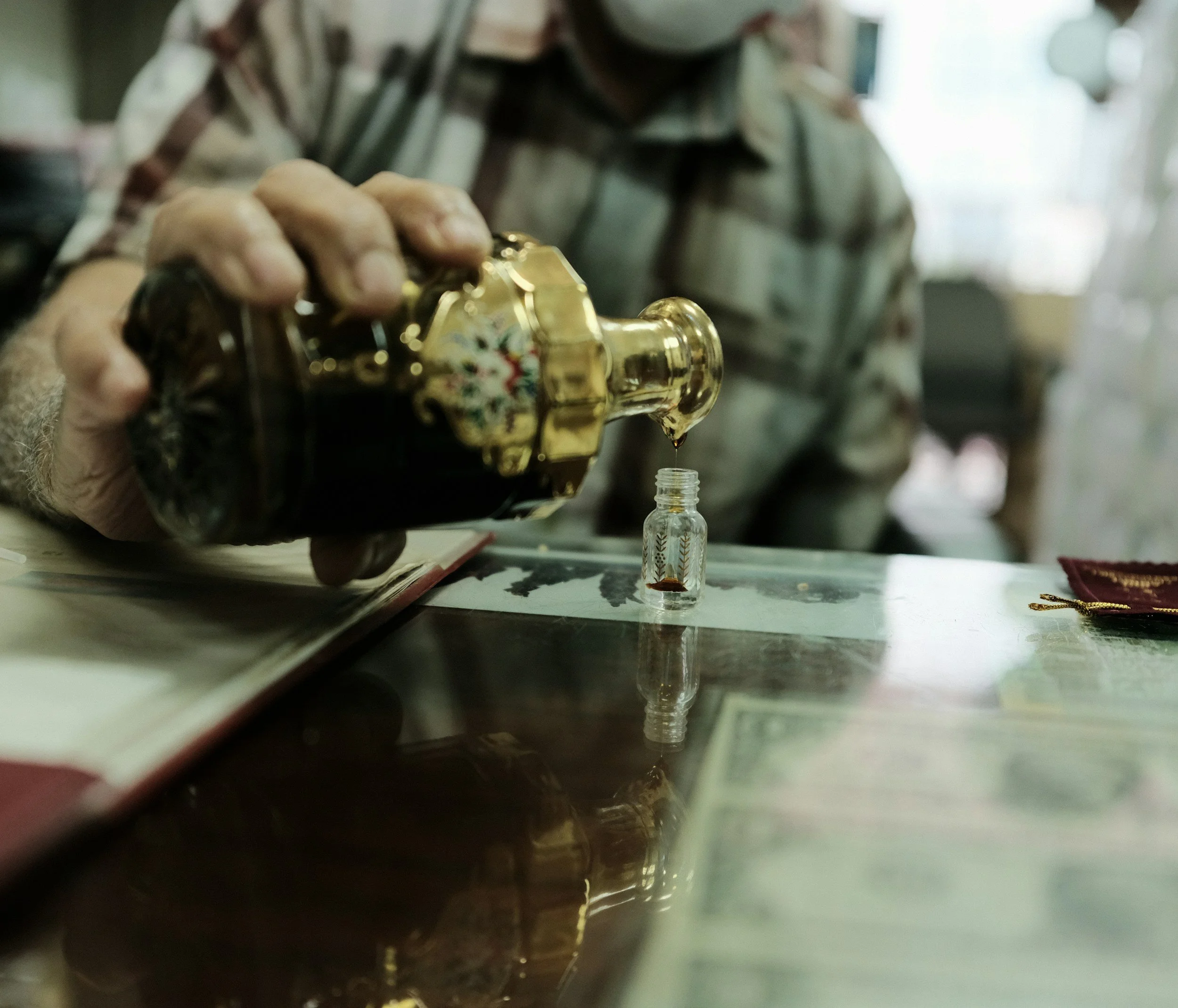
In the Arab world, agarwood is widely used as incense and perfume. A tiny 20 ml bottle of perfume oil can easily fetch €800. It is especially popular in Saudi Arabia, where it is also burned to sanctify business agreements.
In Japan, agarwood—known as Jinko (“sinking wood” or “fragrant wood”)—is burned together with sandalwood in rituals. In some ceremonies, people sit together in a tent around smoldering agarwood and meditate.
Because of its rarity, agarwood remains one of the most expensive natural substances in the world, sometimes costing many thousands of euros per kilo of top quality wood. In the past, it was reserved for kings; today it is still valued as a sacred treasure.
A telling story is that some Berbers of the Rif mountains in North Africa would rather keep a piece of agarwood in their homes than food—“at least then they could stay in touch with the spirit world,” as one Hong Kong trader told me.
Uses
Agarwood is used in soap, incense, oils, and perfumes. In important religious ceremonies, it was burned to purify the atmosphere and remove energetic blockages. In Ancient Egypt, its strong antibiotic properties made it part of the mummification process.
More knowledge
-
![]()
Red Flower Oil
Through a mishap, I sustained a large wound on my forehead. The next day we were scheduled to enter the hot, humid jungle for over a week.
-
![Orange and yellow flowers growing alongside a pathway in a garden.]()
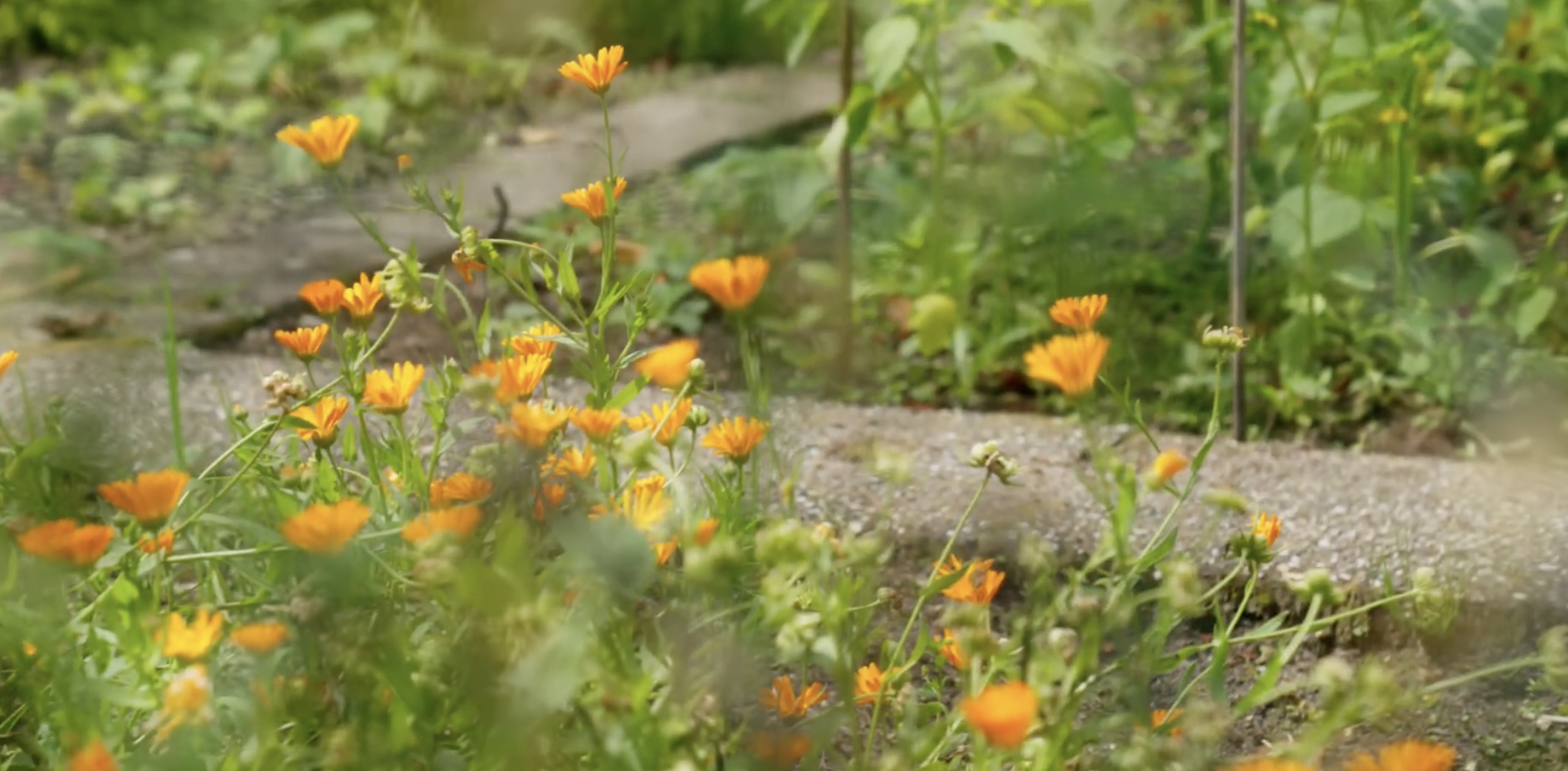
Calendula officinalis
Calendula officinalis heeft wond helende eigenschappen. Lees erover en leer zelf een zalf te maken.
-
![]()
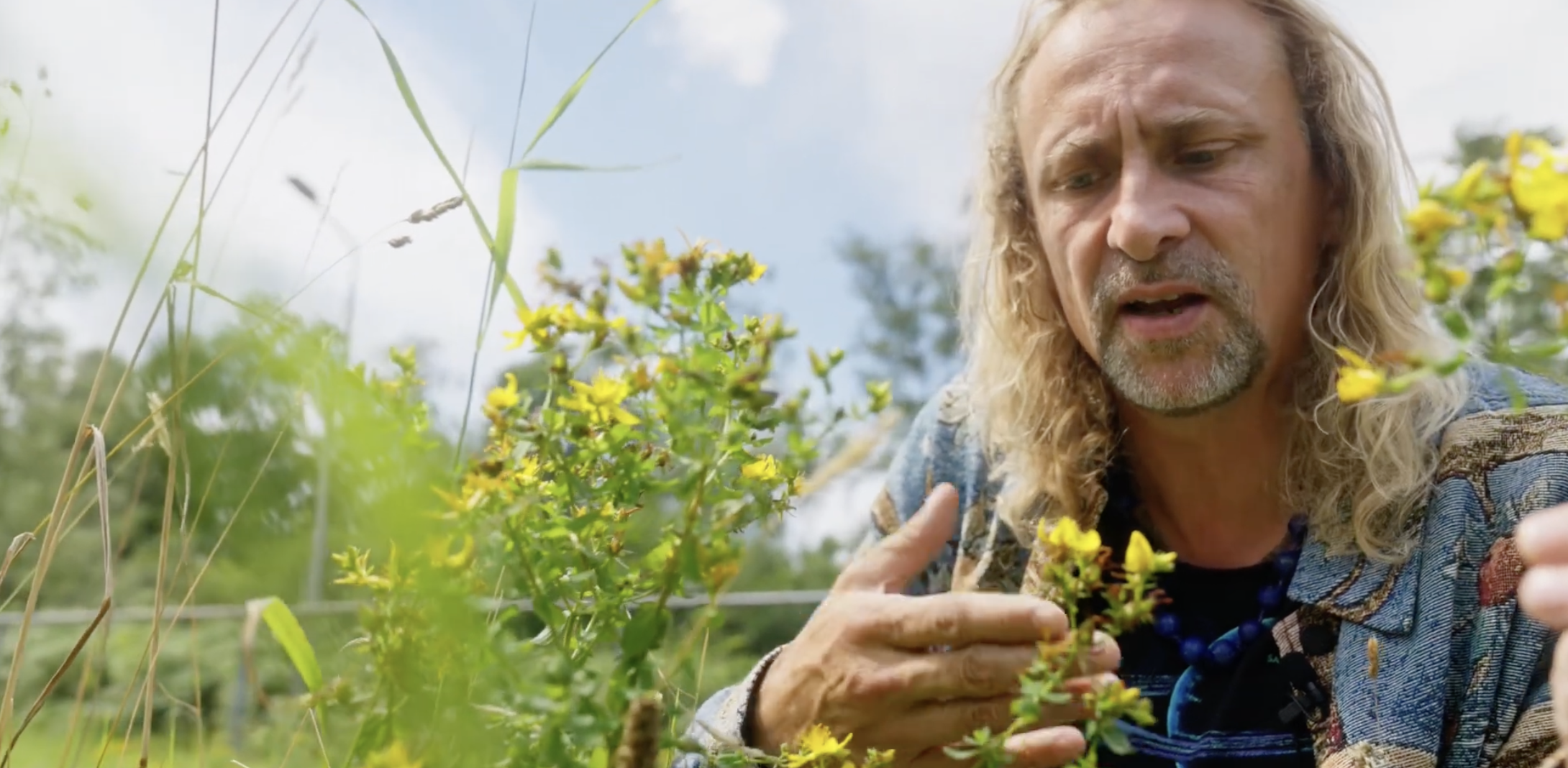
Sint Janskruid
St. John’s Wort (Hypericum perforatum)
can now be found in the wild,
from June to August. -
![Shilajit]()
Shilajit
In Ayurveda, Shilajit is considered a Rasayana, a rejuvenative that helps to strengthen vitality, immunity, and resilience.
-
![]()
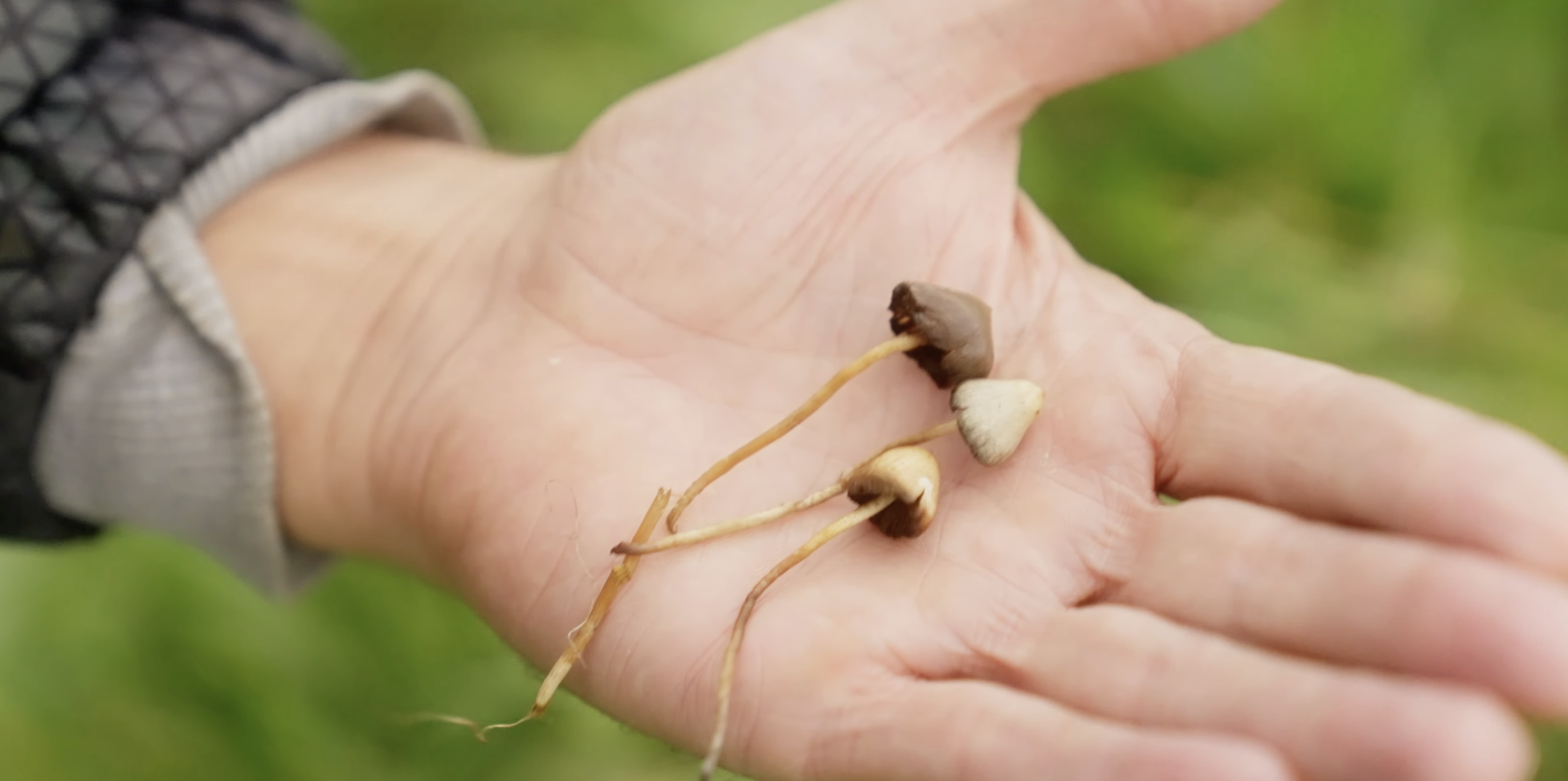
Psilocybe Semilanceata
A powerful little mushroom
that supports the creation of new brain tissue, also known as neurogenesis. -
![]()
Achillea millefolium
The plant is known for its anti-inflammatory, antibacterial, and hemostatic properties. It also has a positive effect on digestion.
-
![]()
Traditional european medicine
It is evident that modern allopathic medicine, which often uses substances to suppress or counteract symptoms as a remedy, has its origins in a more ancient medicine.
-
![]()
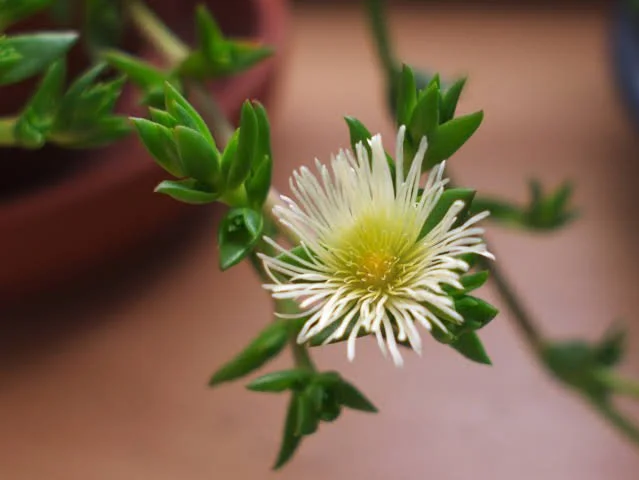
Kanna
Africa is the cradle of human culture, ancient stories, and a rich body of knowledge about the healing power of plants.
-
![]()
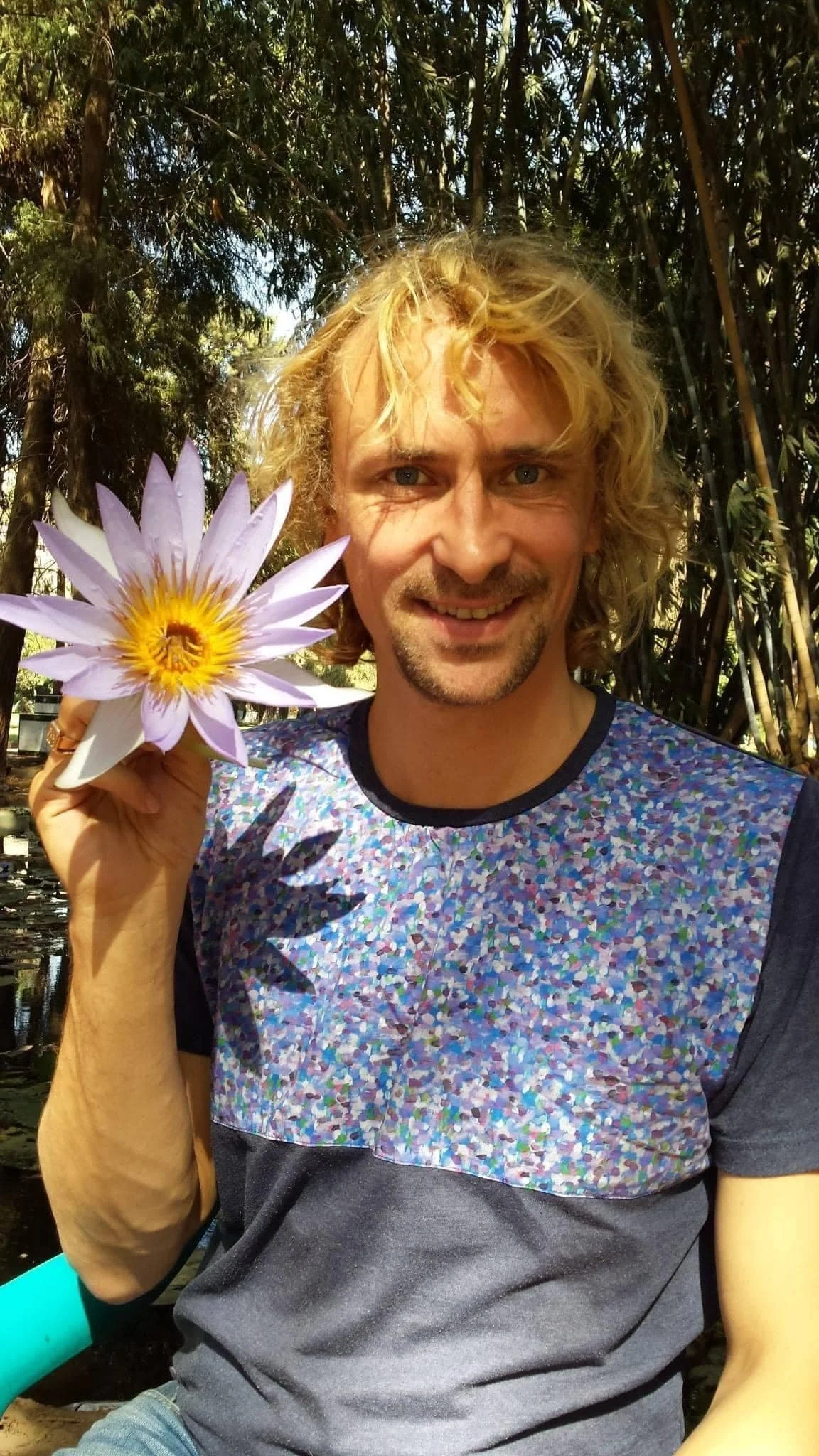
Blue Lotus
In ancient Egypt, the blue lotus was a sacred flower. Together with papyrus, it was one of the most important useful plants.