

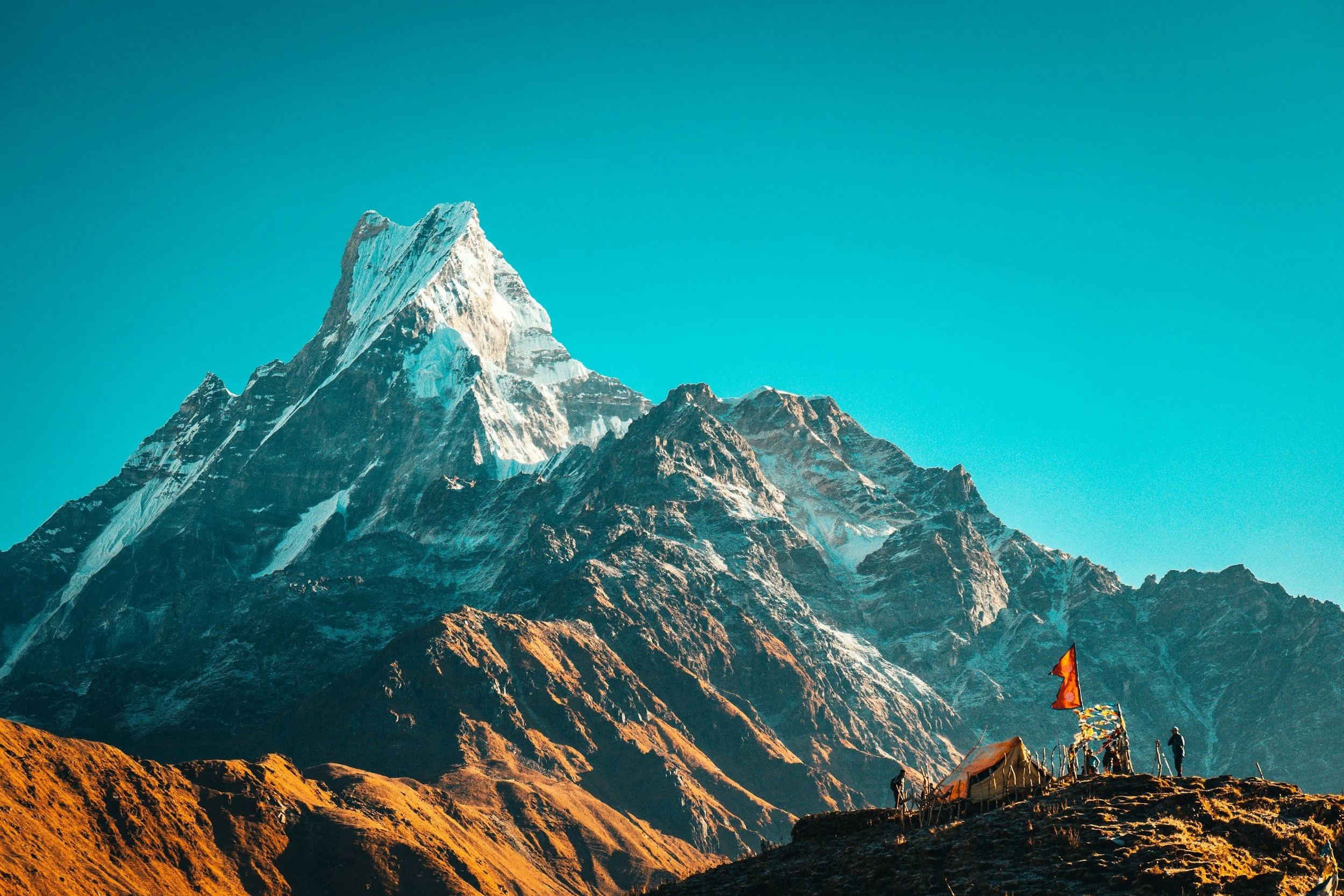
Shilajit – Prehistoric mineral extract
In Ayurveda, Shilajit is considered a Rasayana, a rejuvenative that helps to strengthen vitality, immunity, and resilience. It contains aluminum, calcium, cobalt, copper, iron, lithium, magnesium, manganese, molybdenum, phosphorus, silica, sodium, strontium, zinc, fulvates, fatty acids, resin, trace elements, glycosides, and a number of other natural compounds. Some of these substances are rare in nature, and certain compounds are found nowhere else but in Shilajit.
It usually appears dark brown in color. Genuine Shilajit softens in the hand from body heat and has an asphalt-like scent. Besides the Himalayas, it is also found in the Caucasus and Altai Mountains. In India, this substance has been used for thousands of years. It is said to balance the body’s health, speed up recovery after illness, regulate blood pressure, and increase libido. In Kazakhstan, it is traditionally used to accelerate bone healing and to treat inflammatory conditions.
In both India and the former Soviet Union, extensive scientific research has been conducted on Shilajit. In Russia it is also known as Mumijo. In these regions it is available in pharmacies, while in the Netherlands it is still relatively unknown.
The Discovery of Shilajit
In India, many stories exist about the discovery of Shilajit. One account tells how tribal villagers in the Himalayas observed white monkeys migrating to higher mountains during the summer months. They noticed the monkeys licking a semi-solid substance seeping out of rock crevices. In ancient times, observing animals was an important part of health research. The villagers attributed the monkeys’ strength, longevity, and wisdom to this substance. Out of curiosity, they tried it themselves and reported improvements in health and endurance: more energy, better digestion, enhanced libido, and improved memory.
Properties
In Ayurveda, Shilajit is regarded as a remedy for a wide range of ailments, including kidney disorders, chronic bronchitis, diabetes, anemia, unstable blood sugar, asthma, gallstones, epilepsy, enlarged liver and spleen, digestive issues, parasitic worms, nervous weakness, impotence, fractures, wounds, colds, and more. It is seen as vitality-enhancing and anti-aging, and also used as an adaptogen and stress reliever.
The most important bioactive compound in Shilajit is fulvic acid. Fulvates (the salts of fulvic acid) act as antioxidants, neutralizing harmful free radicals and helping to eliminate them from the body. After delivering minerals and nutrients to the body’s cells for energy production, they bind to toxic heavy metals and other waste products, allowing them to be excreted. In short, fulvates play a dual role: as givers, they provide energy and nutrients; as receivers, they help remove toxins and depleted minerals from the cells.
Scientifically observed effects of Shilajit include:
Analgesic (pain-relieving)
Anti-Alzheimer’s activity
Anti-inflammatory (arthritis, rheumatism)
Anti-ulcer properties
Anxiolytic (anti-anxiety, stress-reducing)
Nootropic effects: improved cognition, prevention of forgetfulness (including Alzheimer’s), improved cerebral blood flow
Optimizes nutrient absorption (sometimes leading to weight gain)
Increases testosterone and improves sperm quality
Anti-allergic effects
Usage
Because Shilajit contains many minerals, it should not be overused. Too much iron, for example, can cause liver problems, nausea, or diarrhea. The recommended dosage is 300–500 mg per day—roughly the size of a grain of rice or a peppercorn as a maintenance dose. Take occasional breaks from use; moderation is key. A small daily pinch is generally safe. Also stop using it from time to time. Everything in moderation, and in any case it is good to interrupt supplement use every now and then. When you use a knife tip per day, you are always on the safe side.
Shilajit should better not be used during pregnancy or in cases of fever. Always consult a qualified medical professional in case of health issues, and do your own research into the properties of Shilajit.
More knowledge
-
![]()
Red Flower Oil
Through a mishap, I sustained a large wound on my forehead. The next day we were scheduled to enter the hot, humid jungle for over a week.
-
![Orange and yellow flowers growing alongside a pathway in a garden.]()
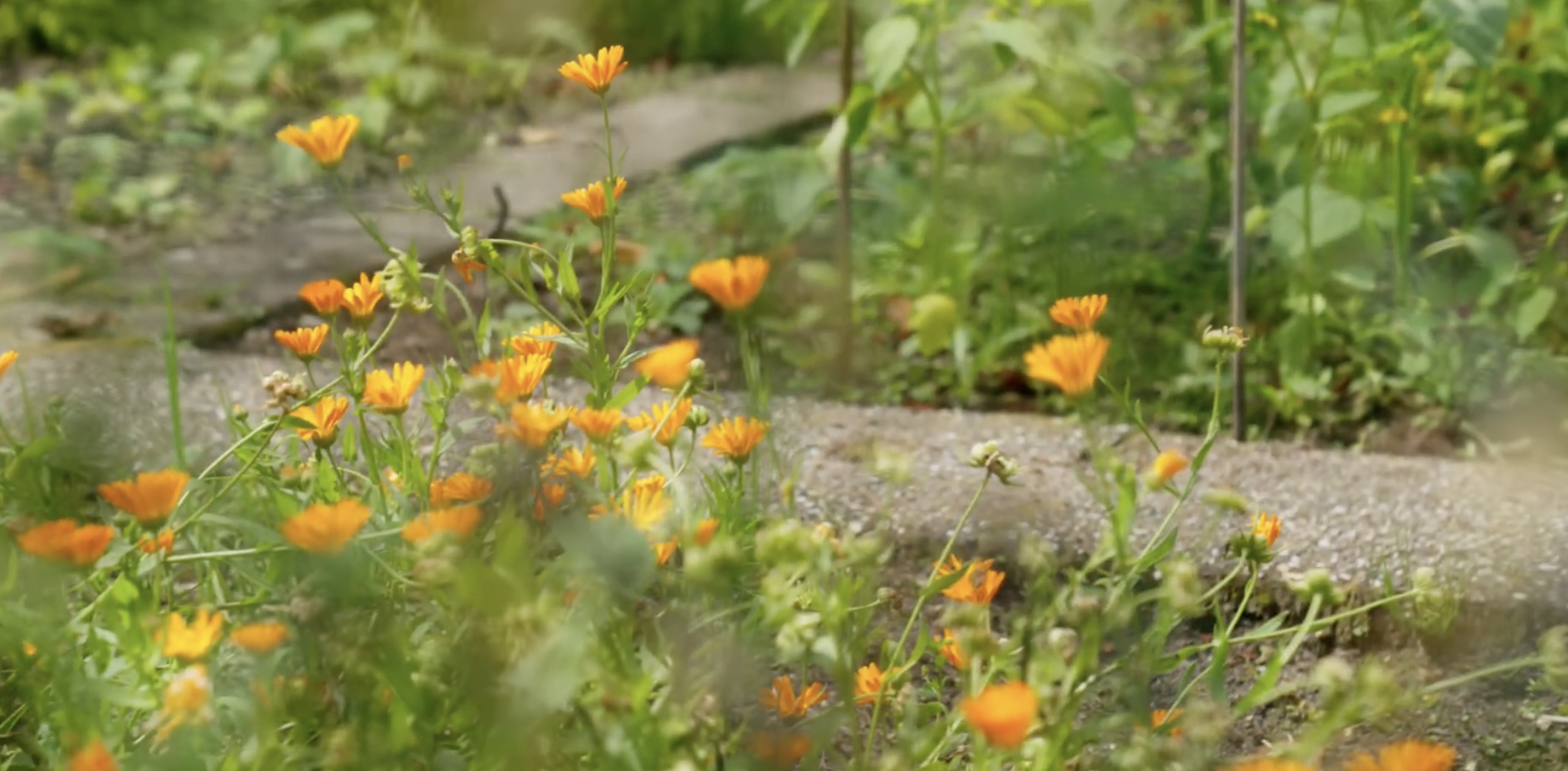
Calendula officinalis
Calendula officinalis heeft wond helende eigenschappen. Lees erover en leer zelf een zalf te maken.
-
![]()
Agarwood
Agarwood comes from Southeast Asia
and is one of the most expensive natural
raw materials in existence. -
![]()
Sint Janskruid
St. John’s Wort (Hypericum perforatum)
can now be found in the wild,
from June to August. -
![]()
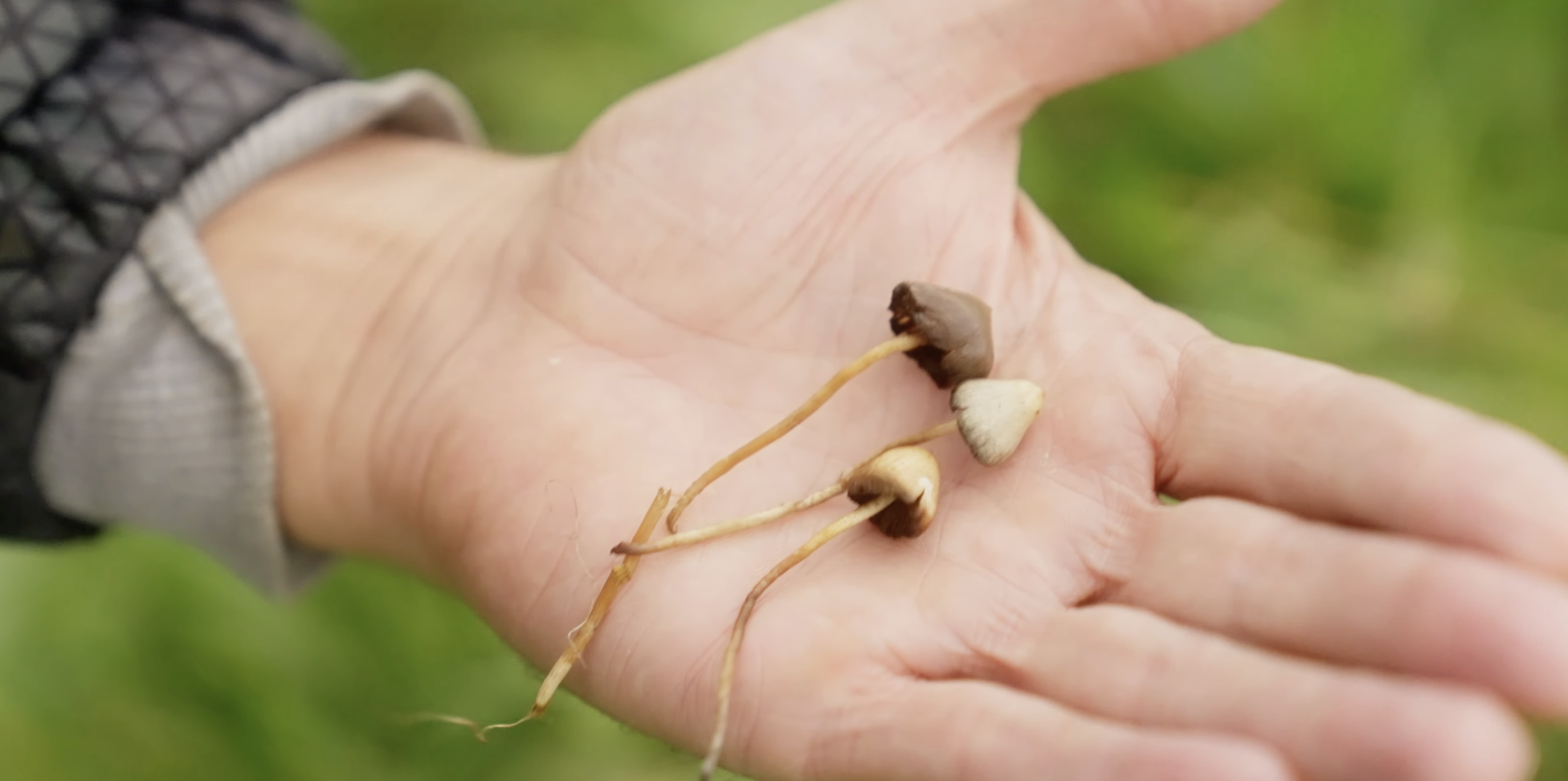
Psilocybe Semilanceata
A powerful little mushroom
that supports the creation of new brain tissue, also known as neurogenesis. -
![]()
Achillea millefolium
The plant is known for its anti-inflammatory, antibacterial, and hemostatic properties. It also has a positive effect on digestion.
-
![]()
Traditional european medicine
It is evident that modern allopathic medicine, which often uses substances to suppress or counteract symptoms as a remedy, has its origins in a more ancient medicine.
-
![]()
Kanna
Africa is the cradle of human culture, ancient stories, and a rich body of knowledge about the healing power of plants. goes here
-
![]()
Blue Lotus
In ancient Egypt, the blue lotus was a sacred flower. Together with papyrus, it was one of the most important useful plants.