
Traditional european medicine & the revival of herbalism
It is evident that modern allopathic medicine, which often uses substances to suppress or counteract symptoms as a remedy, has its origins in a more ancient medicine.
Herbal medicine is as old as the world itself. Through trial and error, people have experimentally tested plant remedies, carefully preserving the most effective ones and often passing them down orally. European medicine is said to have begun with Hippocrates (460-377 BCE) and Aristotle (384-322 BCE). The prevailing ideas of that time have their roots in India and Egypt. However, the true origins of herbal medicine remain untraceable.
Although most people today use synthetic medicines, European herbal medicine has always persisted and has been gaining popularity in recent years. This is partly due to growing concerns over the side effects of many chemical, mono-molecular drugs. Many people realize that we originate from nature and that natural remedies often align better with our bodies. Numerous other reasons exist for the increasing preference for plant and mushroom-based natural medicines.
If we trace the origins of certain customs in Europe, we often end up with the Greeks and Romans, as they documented many things. Greek and Roman medicine was based on the belief that the world is composed of four elements: earth, air, fire, and water. Each element corresponded to a humor: blood, phlegm, black bile, and yellow bile. These elements also correlated with cold, heat, moisture, and dryness, and each had corresponding herbs that could balance imbalances in the body. These ideas have been in use by doctors for a long time. And elements of medicine from that time still influence modern medicine today.
Like other medical systems, European medicine had numerous local practices, customs, and traditions. All these practices and customs influenced each other.
One of the most influential medical books in western medicine was the Materia Medica, written by the Greek physician Dioscorides in the first century CE. This book is considered the first European medicinal plant book and remained the standard reference for medicinal plant use for over a thousand years. Several later books were based on Dioscorides' knowledge.
In monasteries, medicinal plants were cultivated, and their effects were documented. One example is a book that I have in my library La Pharmacy des Moines from the 9th century, written by Odong de Meung.
A well-known herbalist from this period was the Saint Hildegard von Bingen (1098-1179), who received visions about herbalism and medicine and wrote a few books about her discoveries. The Swiss alchemist and physician Paracelsus (1493-1541) introduced important ideas regarding dosages of medicinal plants, famously stating that the dose determines whether something is a poison or a medicine.
Between 1480 and 1700, mass hysteria and the Inquisition led to the witch trials in Europe. Wise women (and sometimes men) with herbal knowledge were often accused of witchcraft and were burned, hanged, or drowned. This resulted in the loss of vast amounts of ancient plant knowledge. The Church associated herbal knowledge with witchcraft, declaring that those who used herbs for healing did so only through a pact with the Devil. This belief nearly destroyed the Western herbal tradition.
Much of this knowledge was orally transmitted from master to apprentice. Before recorded history, in the era of the Druids, wise herbal women in Europe were trained from the age of seven and initiated as Hexa at thirteen or fourteen. (The Dutch word for witch by the way is still Heks They learned to cultivate and identify medicinal plants, sing sacred songs, spin wool, grow vegetables and grains, brew psychoactive and medicinal beers, and celebrate seasonal festivals aligned with the moon, sun, and planets. Medicinal traditions like we can still find nowadays in some area in the amazon rainforest and in certain places in Africa. But also in India where knowledge is preserved through oral traditions. From master to desiple from generation on generation. This is called Parampara in India. Living tradition.
In Europe the Church replaced this holistic natural knowledge tradition with dualistic thinking about God and the Devil. Only fragments of this female herbal tradition survived among rural communities and paradoxically in monasteries, where monks copied ancient Greek and Latin herbal texts and occasionally wrote down knowledge they learned from witches.
Emperor Charles V (1500-1558) mandated that great herbal experts such as Doedens and Culpeper record their findings for future generations. Herbal medicine remains an integral part of daily life for many Europeans and Americans and continues to be popular today. Despite the witch burnings and various modern attempts to suppress and ban herbal medicine, it never completely disappeared and has continued to exist underground.
The modern herbal tradition is a rational method, utilizing plant preparations to heal diseases, strengthen the body, and restore balance. Many people who obtain medications from pharmacies prescribed by their doctors also use natural supplements or herbs for well-being, healing, or disease prevention. Herbal teas like German chamomile, for example, are widely consumed to support better sleep and relaxation.
New plants continue to be discovered and added to the European herbal medicine arsenal. Old plants are rediscovered, and phytotherapy—the rational treatment of ailments with plants—continues to evolve. New monographs on the medicinal properties of plants are published daily. While some people consider herbal medicine an alternative therapy, it is actually part of conventional medicine.If you ever want to know more about the workings of a certain medic plant plant you could discover its latin name. And place its Latin name in a medical database like www.pubmed.gov. And you’ll see what kind of scientific research has been done on the plant.
Phytotherapists typically use standardized plant preparations such as extracts, ensuring known dosages and active compounds. But many well trained and highly respected clinical herbalists like Lisa Ganora suggest its often wiser to use the whole plant or the full spectrum instead of a standardized preparation because the whole plant contains a greater variety of molecules that work synergistically and often have a better effect on our health than isolated and standardized molecules..
Phytotherapists are expected to support their claims with scientific evidence, a field studied under pharmacognosy. Many modern prescription drugs originate from ancient medical systems.
Herbalism often had criticism in modern times In the words of clinical herbalist David Hoffmann in his brilliant book Herbal Intelligence, Plant Teachers and the Return of Viriditas the main criticism was that herbalism was based on tradition, not science, and therefore had no credible evidence. It was claimed that using alternatives such as herbalism stopped people from seeking real medicine, and as such was dangerous, such statements themselves were not supported by any evidence.
Until the 1950s, general practitioners often doubled as pharmacists, preparing medicines themselves.
My paternal grandparents were a dermatologist and a general practitioner. They still had a home pharmacy, from which opium and morphine flowed generously into the veins of my grandmother Marie.
Today, pharmacies and medical practices are separate, with doctors prescribing drugs and pharmacists dispensing them.
By the way the word 'pharmacy' originates from the Greek 'apotheca', meaning storage place, where medicinal herbs were kept. Many self-care medicines sold in pharmacies are plant-based, and plants traditionally stored in the apotheca often carry the Latin name 'officinalis', such as Calendula Officinalis, known for enhancing skin healing, or Corallina Officinalis, which has remineralizing effects on teeth. The status of medicinal plants varies by country—some are classified as supplements, others as medicines, and some natural plants are even banned and considered illegal drugs.
According to Professor Carl Ruck of Boston University, the word "drugs" is most likely derived from the Middle Dutch term "droge vate" (dry vat). The plants and substances that were used eventually came to be called "drogues" in Middle English, as they were typically stored dry in apothecaries, which also served as poison shops. The word "drugs" was not used to refer specifically to opiates and narcotics until the late 19th century.
Western medicine also utilizes fungi and mushrooms, with a major breakthrough being the discovery of penicillin in 1928 by the Englishman Alexander Fleming. This powerful antibiotic has saved millions of lives.
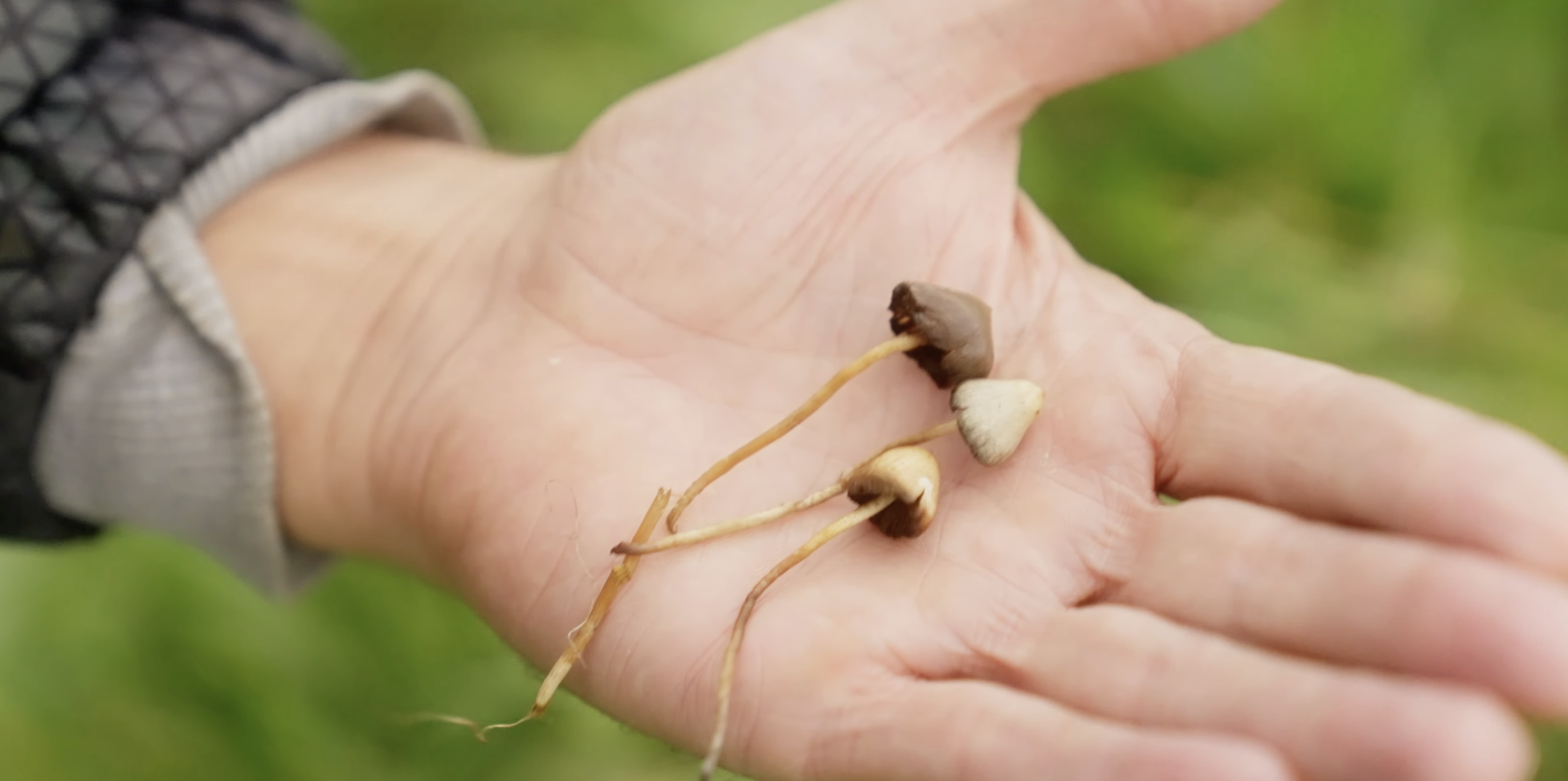
Nowadays many people are experimenting in the western world with so called microdosing of psilocybin (0,1-0,2 grams dried mushroom) containing mushrooms in combination with lions mane mushroom and 100 mg niacin which works as a sort of Einstein medicine and makes people better human beings. These protocols are often implemented for 4-6 weeks. Four days of the week on three days off. Its clinically proven that these of formula’s can realize neurogenesis and synaptogenesis. Whe I first rwead about it that it was confirmed by science I was in awe, in wonder.That means improving and healing our nervous system is very possible thanks to natural things. You can find the user protocol for example of this formula by mycologist Paul Stamets easily online or in books. Take a look at the website https://mushroomreferences.com/ if you want to know more about this.
If you want to experiments with these kind of natural substances I highly recommend you to do this only in consultation with your general practitioner or with a very skilled and trained fungotherapist. Maybe you already heard about the use of natural psychedelics for medicinal purposes. It’s part of the psychedelic renaissance that’s going on now worldwide.
Medicine continues searching for new drugs, many of which are likely hidden in nature. The discovery of curare (a poison from the Amazon) revolutionized anesthesia, significantly reducing mortality rates in surgeries.
Often, the indigenous population barely benefits from these discoveries. The knowledge is taken from its country of origin without gratitude or recognition, copied, and integrated into a profit-driven model—preferably combined with a patent—for use in the Western medical world. We utilize the knowledge, but we understand little about how it was originally acquired. Often the workings of medicinal plants came to people through dreams and in vison quests under the influence of entheogens. If you like to know more about this I highly recommend you to read the book The Cosmic Serpent: DNA and the Origins of Knowledge by anthropologist Jeremy Narby.
European holistic herbal medicine addresses both the causes and symptoms of diseases, while modern medicine primarily focuses on symptoms and symptom management. Western medicine is primarily concerned with diseases and pathogens, diagnosing them as isolated cases and seeking to change, control, or destroy them. But nowadays more and more general practioners in the west tend to work in a more holistic way too like the traditional doctors in India with their Ayurveda and Siddha medicine and the very skilled traditional Chinese doctors. Western doctors are increasingly delving into clinical herbalism and ancient holistic plant medicine.
European physicians swear the Hippocratic Oath, or a modernized version of it before they begin practicing medicine pledging to care for the sick, promote health, relieve suffering, prioritize patient well-being, and do no harm.
Western medicine continues to make remarkable discoveries, such as building immunity through exposure to diseases or vaccinations. In Africa, traditional smallpox vaccinations have been practiced for centuries. Long before we started to use vaccinations. And western medicine continues to learn from non-western indigenous medicinal systems. Especially from herbalists.
The Greek historian Thucydides (430 BCE) noted that people who survived an epidemic did not get sick again. Later, medical researchers developed germ theory, identifying microorganisms as disease agents. The Dutch scientist Antonie van Leeuwenhoek (1676) first observed bacteria using a microscope, and Louis Pasteur developed pasteurization and vaccines, which continue to save lives.
Despite scientific advancements, medicine remains a field in development, still searching for cures for cancer and other diseases. Many of these medicines will likely come from plants and fungi underscoring the importance of biodiversity.
Maintaining biodiversity increases the chances of discovering molecules that can help us, far beyond what can be synthetically replicated in a lab. Biodiversity is also the key to planetary abundance for all living beings.
Western doctors and people discover more and more that a great variety of healthy (organic) food can improve our health significantly. It is proven for example that eating a minimum of 30 phytonutrients per week can improve your health very much. As well as enough sleep, stop smoking and too much alcohol consumption, enough body movement (minimum 40 minutes a day) and a big social network in the physical world. I am really interested in herbalism and if really needed ven chemical antibiotics among things but believe prevention is always better than curing. I hope people get to empower themselves and conduct theire own research and make themselves more aware of this by reading books like Plant Power. And I hope that readers become aware of their interconnected role and their own responsibility and interrelated independence. And if we need to cure a disease plants and mushrooms are often our greatest allies. And one reasons for hope in these times in this world is the revival of herbalism—a reemergence that is not driven by the elites of medicine, nor marketed as sensational breakthroughs, but rather blooming quietly in underground movements and cracks of our culture.
More knowledge
-
![]()
Red Flower Oil
Through a mishap, I sustained a large wound on my forehead. The next day we were scheduled to enter the hot, humid jungle for over a week.
-
![Orange and yellow flowers growing alongside a pathway in a garden.]()
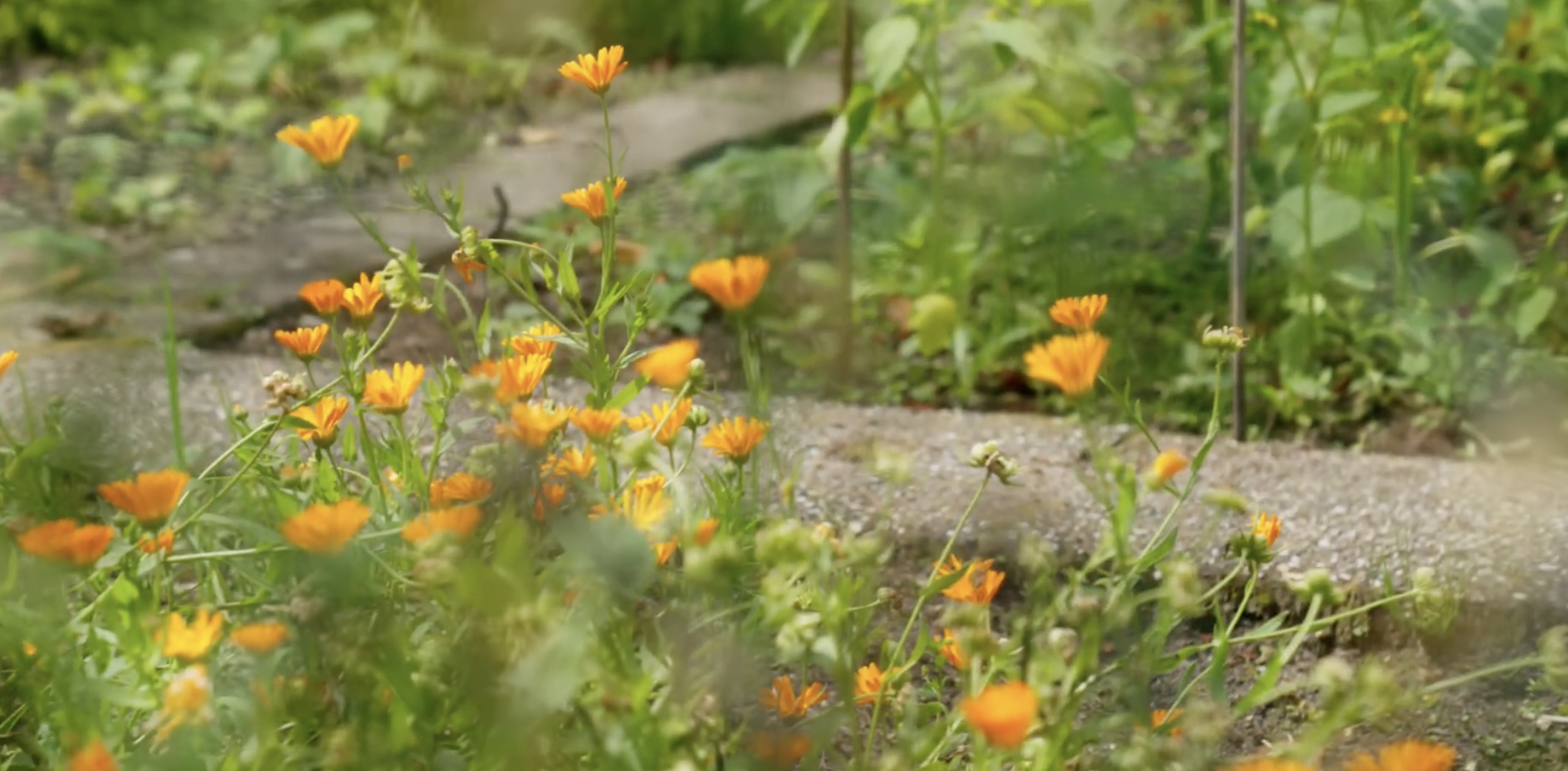
Calendula officinalis
Calendula officinalis heeft wond helende eigenschappen. Lees erover en leer zelf een zalf te maken.
-
![]()
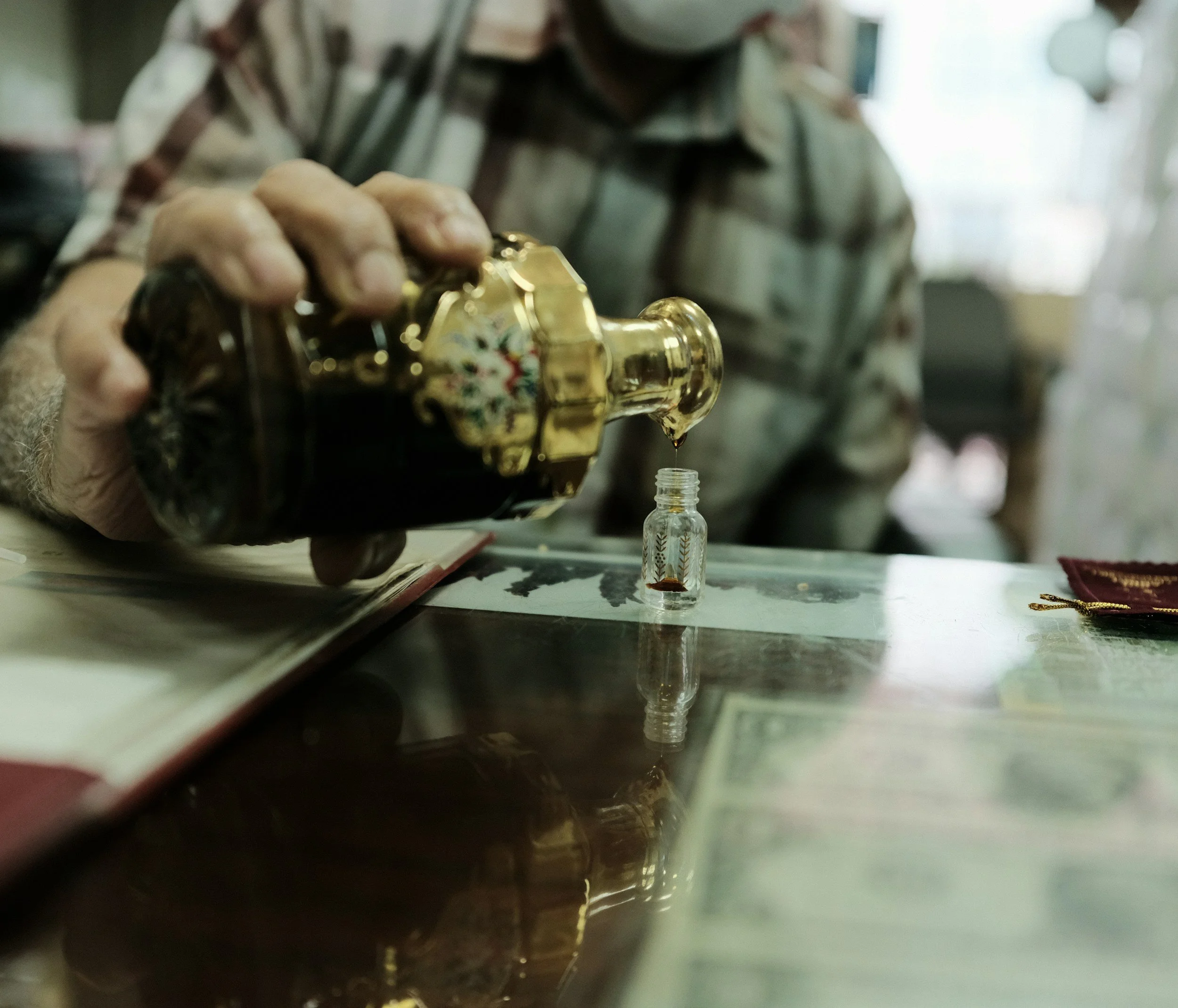
Agarwood
Agarwood comes from Southeast Asia and is one of the most expensive natural raw materials in existence.
-
![]()
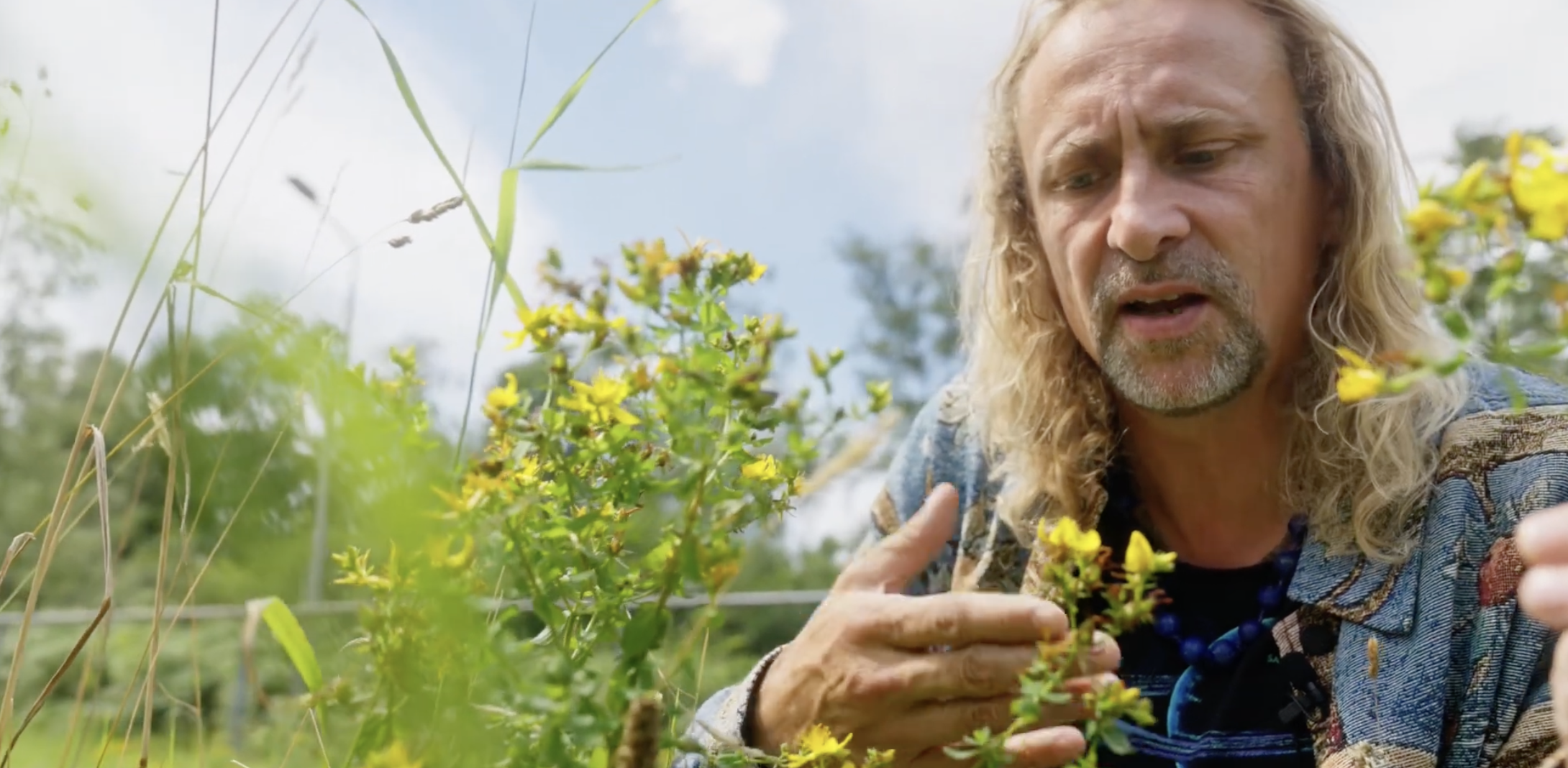
Sint Janskruid
St. John’s Wort (Hypericum perforatum) can now be found in the wild, from June to August.
-
![Shilajit]()
Shilajit
In Ayurveda, Shilajit is considered a Rasayana, a rejuvenative that helps to strengthen vitality, immunity, and resilience.
-
![]()
Psilocybe Semilanceata
A powerful little mushroom that supports the creation of new brain tissue, also known as neurogenesis.
-
![]()
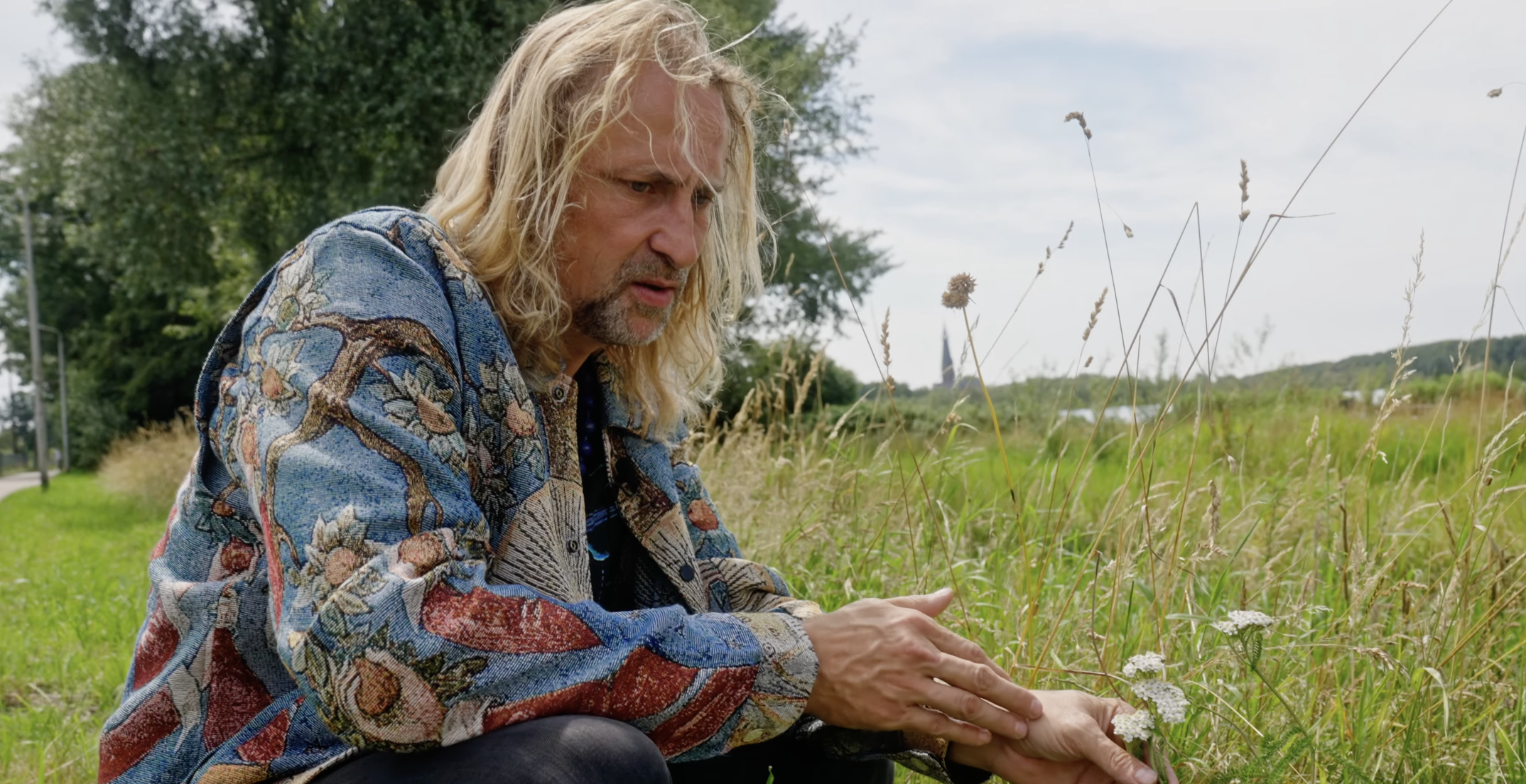
Achillea millefolium
The plant is known for its anti-inflammatory, antibacterial, and hemostatic properties. It also has a positive effect on digestion.