

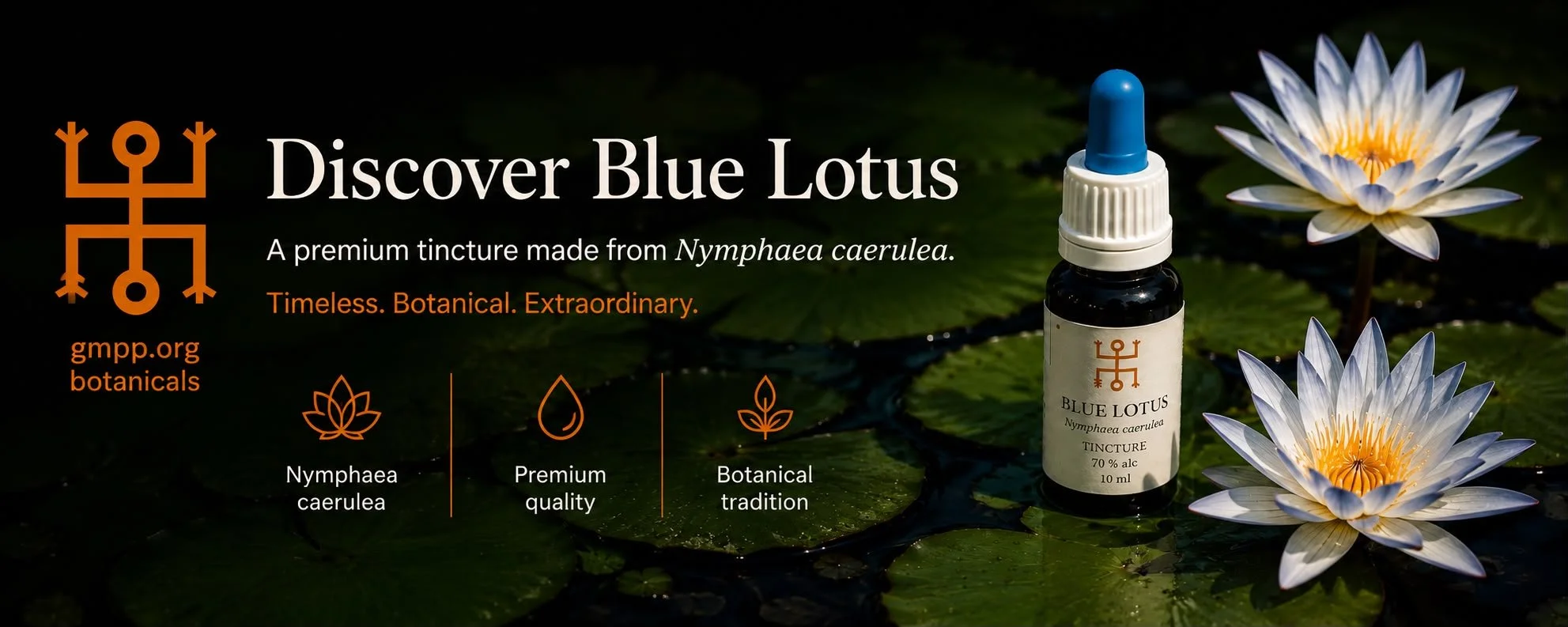
Blue Lotus The Sacred Flower
Nymphaea caerulea
In ancient Egypt, the blue lotus was a sacred flower. Together with papyrus, it was one of the most important useful plants. The two plants symbolized Upper and Lower Egypt respectively. When depicted together, they represented the unification of the two lands.
The blue lotus was also one of the most frequently used sources of inspiration in ancient Egypt. Temples and sarcophagi were decorated with its image, works of art were adorned with it, and artistic creations were made under the influence of the plant itself. Even today, the flower can still be found in modern Egyptian architecture.
The blue lotus is the national flower of Egypt, yet most Egyptians today are no longer familiar with its traditional use. Apart from its decorative role in architecture, little to no knowledge of this remarkable flower has survived. In the Netherlands, the plant is also known as the blue water lily.
Key to Consciousness
Some Egyptologists question the idea that the blue lotus was consumed. I disagree. To me, it has become clear that the ancient Egyptians did indeed consume the blue lotus. It is depicted in ancient hieroglyphs alongside and among other food offerings presented to the pharaoh and the gods.
I found evidence of this in ancient Saqqara, in the Tomb of Idut, dating to approximately 2360 BC (Fifth Dynasty). I also encountered the lotus depicted among food offerings at many other sites throughout Egypt. I even believe that the secret and the use of the blue lotus formed one of the keys to the consciousness of the ancient Egyptian priesthood.
To the ancient Egyptians, the flower known as Seshen symbolized birth and rebirth. They associated the blue lotus with the sun, which disappeared each night and returned each morning. At the same time, the blue lotus was associated with death, and the famous Egyptian Book of the Dead contains spells by which a person could be transformed into a blue lotus.
Cleopatra bathed in blue lotus perfume. Pharaohs were buried with blue lotus flowers, and buildings were—and still are—decorated with their image. I have personally seen several sarcophagi depicting the blue lotus. On a number of sarcophagus paintings, I noticed blue lotus flowers placed at the location of the third eye, between the eyes of the deceased resting inside the sarcophagus.
There is also archaeological evidence that the blue lotus was already being cultivated between 3000 and 2500 BC in square, carefully organized fields.
The flowers were widely used as offerings during religious festivals and were consumed during rituals intended to expand consciousness. One historical source reports that no fewer than 3,410 bouquets of blue lotus flowers were presented to Ramesses III in the Temple of Amun.
Consumption and Effects
For more than 3,000 years, the blue lotus was used by the priests of ancient Egypt for its medicinal properties and as a spiritual sacrament, much like the peyote cactus (Lophophora williamsii) is used in Mexico today. Nowadays, the blue lotus has become very rare in Egypt and is found almost nowhere in the wild. This is because a dam was built across the Nile (the Aswan High Dam), preventing the river from flooding and depositing fertile silt along its banks.
I believe that the raison d'être of the blue lotus in Egyptian art must have been its stimulating effects, and that the flower was certainly not used merely for decoration. In ancient Egypt, the blue lotus was frequently depicted together with mandrake (Mandragora officinarum) and the opium poppy (Papaver somniferum), both plants with psychoactive properties. According to William Emboden (1978), the Egyptians used Nymphaea caerulea for its narcotic properties, and it was employed by the priestly elite to induce a shamanic state of ecstasy.
The blue lotus produces mild visionary effects that were believed to be of heavenly origin. The effects I have personally experienced are mildly euphoric and calming, somewhat reminiscent of MDMA and opium. The effect is very subtle. When taken before bedtime, it may also promote lucid dreaming.
In November 2014, I spent six weeks in Egypt. During that time, we collected fifty blue lotus flowers, chopped them, and steeped them in strong alcohol for three weeks. We then evaporated the alcohol using a bain-marie and consumed the resulting extract. The effects were mild but clearly perceptible. I experienced similar alterations in consciousness with stronger extracts that I later obtained in the Netherlands. Several independent studies have demonstrated that the blue lotus possesses psychoactive and stimulating properties.
Medicinal Uses
The blue lotus was also used to treat liver ailments, as a remedy for constipation, to regulate urination, and as an antidote. Both the tubers and the flowers were used, applied externally to the body as well as taken internally in the form of extracts.
An ancient Egyptian recipe for treating a diseased liver consists of: lotus leaves 1/8, wine 20 ro (an ancient Egyptian unit of measurement; 1 ro = 150 ml), powdered zizyphus (jujube) 1/8, figs 1/8, milk 1/16, juniper berries 1/16, frankincense 1/64, and sweet beer 20 ro. The mixture was left outside overnight so that the dew could settle upon it, and then consumed over the course of four days (Manniche, 2006).
Lotus species in general are consumed medicinally throughout the world. Lotus has a reputation for enhancing libido and helping the body recover from adrenaline-induced stress. Like ginseng, it is considered an adaptogen. It is believed to improve the circulation of bodily fluids. Blue lotus has also long been used in perfumery and aromatherapy. Its fragrance is unique, delicate, and has a noticeable effect on the mind.
Blue lotus may also be used as a sleep aid. It contains nuciferine (described here as a natural antispasmodic) and aporphine, which produces a sense of calm and mild euphoria. Aporphine resembles morphine in structure and has somewhat comparable effects.
References:
Manniche, L., An ancient Egyptian Herbal, 2006
Rätsch, C., Encyclopedia of Psychoactive Plants, 2005
More knowledge
-
![]()
Red Flower Oil
Through a mishap, I sustained a large wound on my forehead. The next day we were scheduled to enter the hot, humid jungle for over a week.
-
![Orange and yellow flowers growing alongside a pathway in a garden.]()
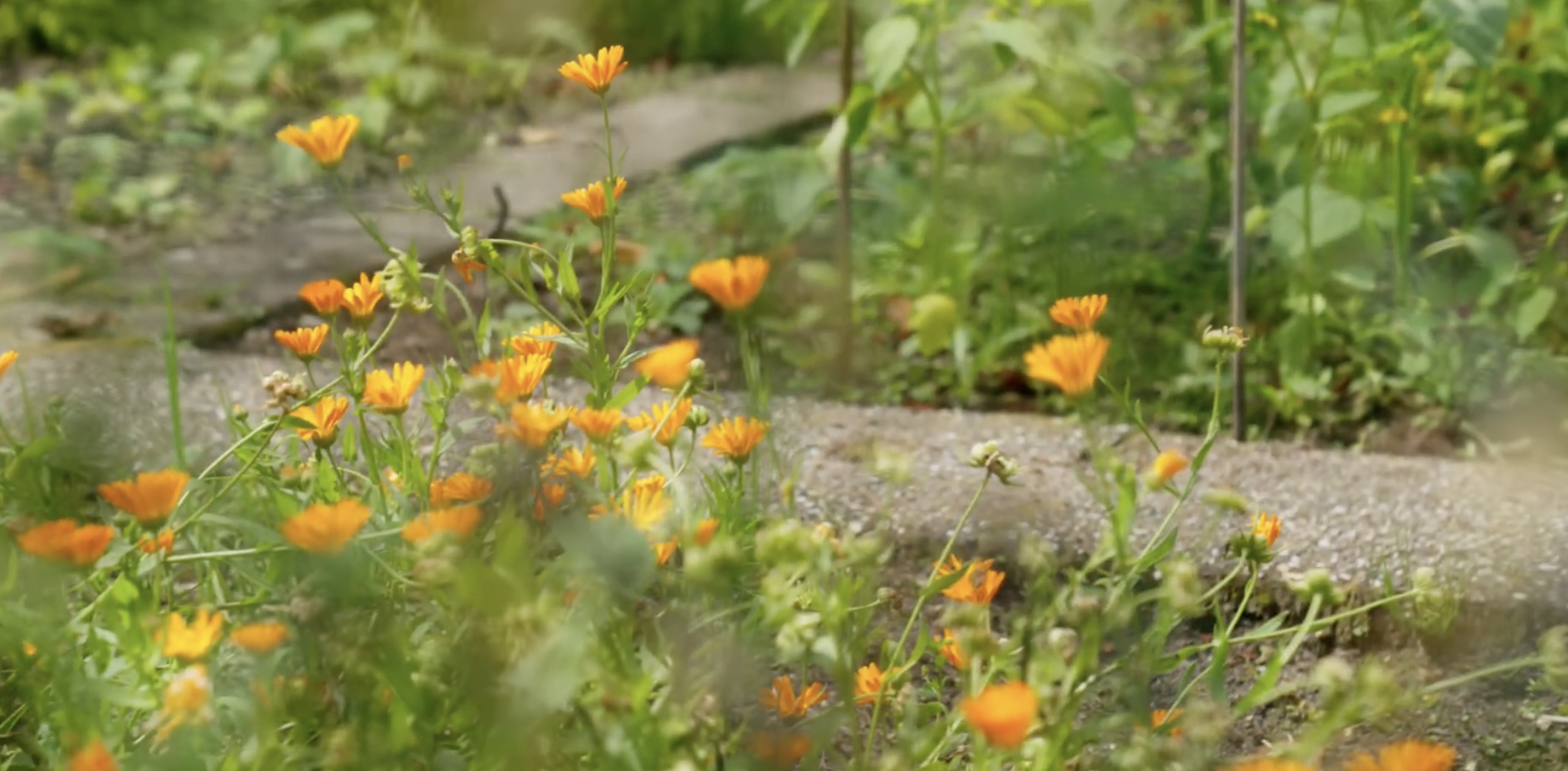
Calendula officinalis
Calendula officinalis heeft wond helende eigenschappen. Lees erover en leer zelf een zalf te maken.
-
![]()
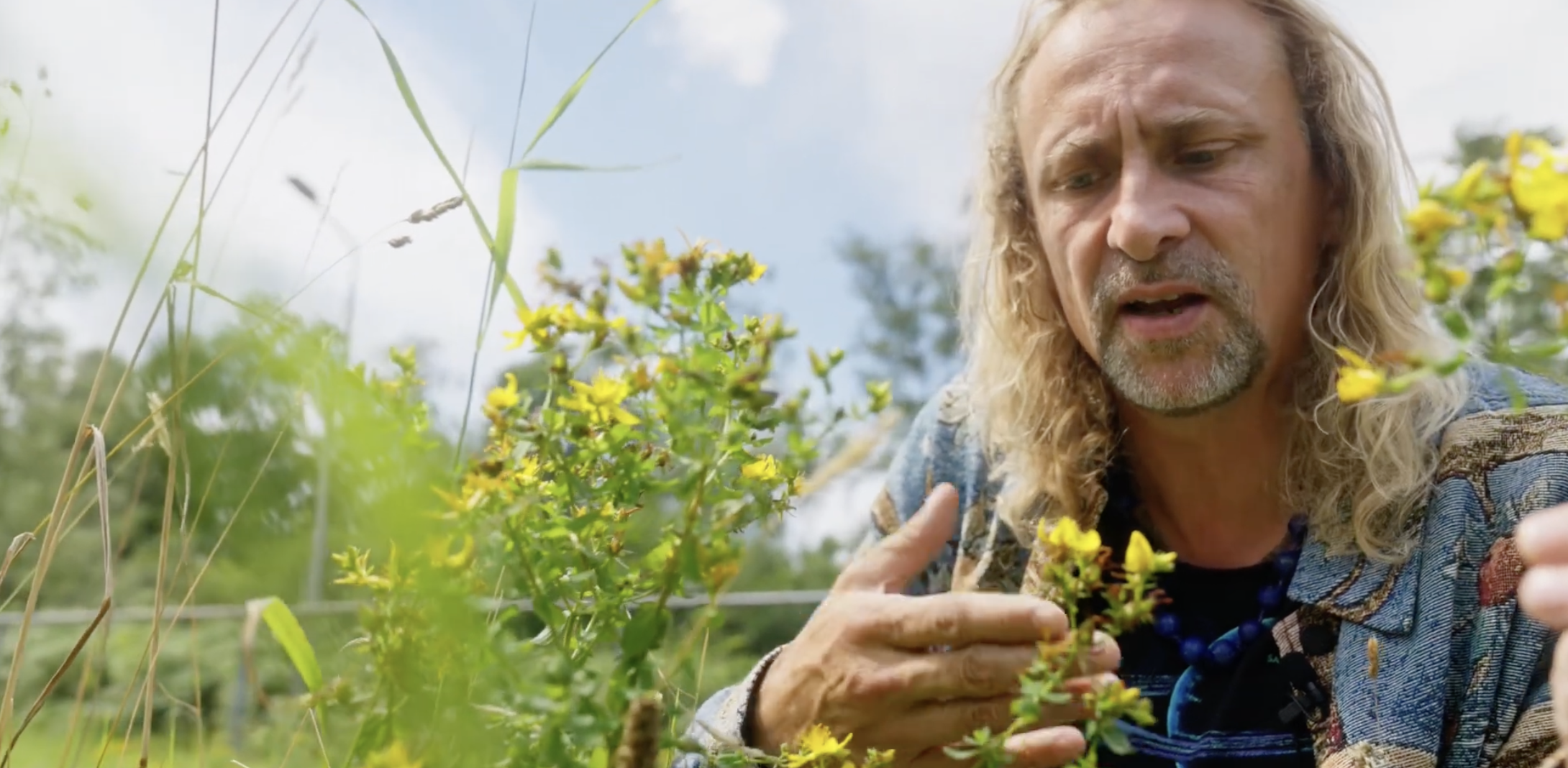
Sint Janskruid
St. John’s Wort (Hypericum perforatum)
can now be found in the wild,
from June to August. -
![Shilajit]()
Shilajit
In Ayurveda, Shilajit is considered a Rasayana, a rejuvenative that helps to strengthen vitality, immunity, and resilience.
-
![]()
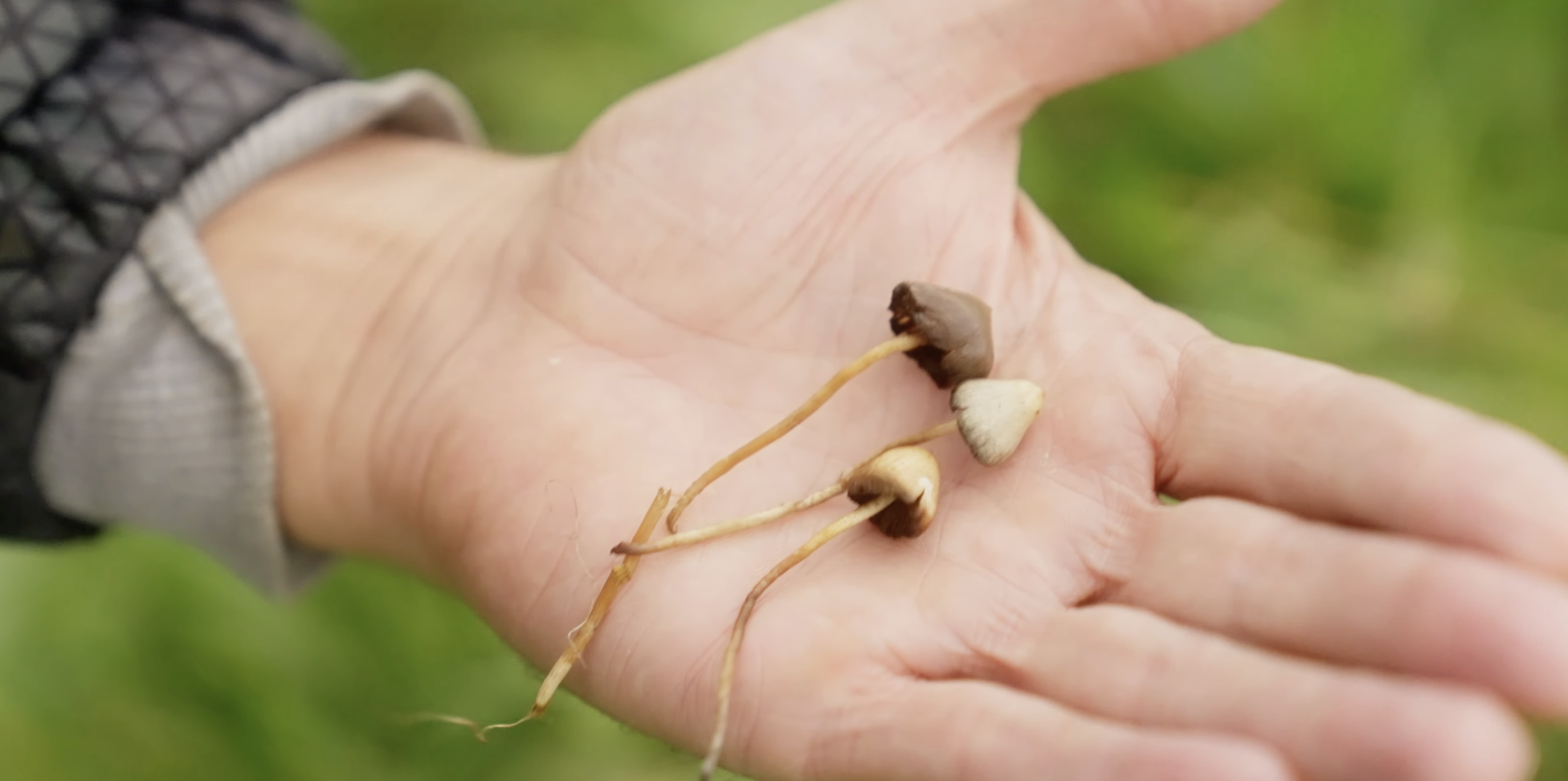
Psilocybe Semilanceata
A powerful little mushroom
that supports the creation of new brain tissue, also known as neurogenesis. -
![]()
Achillea millefolium
The plant is known for its anti-inflammatory, antibacterial, and hemostatic properties. It also has a positive effect on digestion.
-
![]()
Traditional european medicine
It is evident that modern allopathic medicine, which often uses substances to suppress or counteract symptoms as a remedy, has its origins in a more ancient medicine.
-
![]()
Kanna
Africa is the cradle of human culture, ancient stories, and a rich body of knowledge about the healing power of plants.